If you’ve ever traveled to Europe and wondered why the bread, pasta, or croissants taste so much better, you’re not imagining things. Organic wheat products in Europe really do have a different flavor and texture compared to what we’re used to in the United States. The reasons come down to how wheat is grown, milled, and baked—and even what people expect when they buy bread.

I have had opportunities to work all over the world and most of those travels end up going through Europe. One of the truly delightful things to do when in Europe is just to walk the streets looking at shops and many of those are bakeries. The smell is unbelievable, and the taste is beyond compare. I was visiting with a friend of mine who lived in Paris for a number of years. He said they bought bread fresh daily versus maybe once a week here. There the dough would take hours to rise, and you could walk in a shop and watch it. Here, it is never anything to watch and certainly something that happens fast.
How Much Wheat Do We Eat?
The average American eats about 130 pounds (58–60 kg) of wheat each year, while Europeans eat closer to 200 pounds (90 kg). That’s about 50% more! For Europeans, bread and pasta are still part of almost every meal. In the U.S., diet trends like low-carb and gluten-free have pushed wheat down the list.
But, let me ask a question! Which group has more problems with weight – so it is not the consumption of wheat products – is it?
The Wheat Itself
In the U.S., most organic wheat is bred for high yields and disease resistance. That’s great for farmers but not always for flavor. The result can be wheat with really strong gluten—perfect for making bread chewy, but sometimes too tough. In Europe, many organic farms still grow older varieties like spelt, einkorn, and emmer, or modern wheats chosen for taste as much as for yield. That’s why European bread often feels lighter and more flavorful. I have bought organic breads when I can find them and unfortunately, they taste bland and tough!
Milling Matters
How the grain is ground also makes a difference. In the U.S., organic flour is often very “whole”—meaning it keeps lots of bran and germ. That’s healthy, but it can make bread heavier and a bit bitter. In Europe, countries set rules for flour types, like French Type 65 or Italian Type 00, which allow for partial sifting. The flour still has nutrition, but the bread turns out softer, lighter, and often tastier.

The Secret of Fermentation
In American organic bakeries, loaves are often made quickly—mixed, baked, and on the shelf the same day. In Europe, bakers take their time. Long fermentations, sometimes 16 to 24 hours, bring out natural sweetness, make bread easier to digest, and build that classic sourdough flavor.
What People Expect
In the U.S., shoppers often buy organic bread because it’s “healthy.” A dense, hearty loaf feels like you’re getting your money’s worth. In Europe, bread is part of everyday life, so even organic loaves have to win people over with taste and texture first.
A Side-by-Side Example
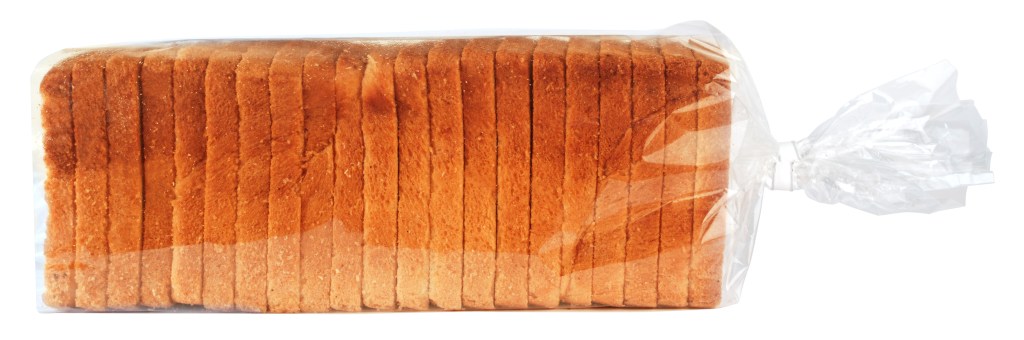
- U.S. Organic Loaf: 100% whole wheat, baked in a few hours, dark, dense, and chewy.
- French Organic Baguette: flour sifted just enough, fermented for over 16 hours, crisp crust, airy inside, and nutty flavor.
Both are organic—but they couldn’t be more different.

The Takeaway
So why does bread taste better in Europe? It’s not just nostalgia from your travels. It’s the wheat varieties, the flour standards, and the time bakers are willing to invest. If the U.S. wants organic bread that rivals Europe’s, we might need to rethink what we value most—nutrition on the label, or flavor on the table. I think we have a great product on the farm, and we need it to be a great product at the bakery!
Discover more from Texas A&M AgriLife Organic
Subscribe to get the latest posts sent to your email.

 Texas A&M AgriLife Organic