I am not promoting one company over any other companies, but I think the YouTube video of Rob Gibson’s talk at the Bio Controls Conference is excellent and worth a watch as we get into organic spray season.
As Rob talks about in the video, there can be issues with water pH, physical or chemical incompatibility or a host of other issues that can crop up with tank mixes. It is an 18-minute presentation, not much time compared to cleaning out a gunky mess in your lines or maybe a final spray that doesn’t even work because of an issue with your solution. Sometimes our organic products get negative reviews when the real issue is how we mixed the spray solution and not the products in the spray solution!
Here is an outline of his talk:
Introduction
Good afternoon, everyone. My name is Rob Gibson, and I am the Global Portfolio Manager for Certis. I have an extensive background in biological solutions, starting in wastewater, then moving into animal health and nutrition, and aquaculture. Since 2016, I’ve been focused on bio-ag in commercial roles.
Overview of the Presentation
Today, I’ll be discussing the do’s and don’ts of tank mixing biologicals. I’ll touch on the full cycle of product development and the critical questions involved in taking a product from an idea to a market-ready innovation. I’ll explore what goes into tank mixing, the importance of formulations, and how scientists ensure stability and efficacy while maintaining compatibility in tank mixes.
Product Development and Innovation
When we think about developing a new product, several key considerations arise:
- Importance and Relevance: What gap does the product fill? Is it addressing resistance issues, or is it a completely new solution that could transform the industry?
- Road to Success: The path to success varies with each product. It involves numerous trials to convince regulatory bodies, investors, and internal management of the product’s viability. However, the grower is the ultimate decision-maker on whether a product succeeds.
Understanding the Grower’s Perspective
For a product to be successful, it must fit into the grower’s budget and daily regimen. This is where innovation and rapid development are crucial. While chemistries and biologicals often find themselves at a crossroads, the latter has more specific conditions, especially in the tank. The formulation scientist’s role is critical in ensuring the stability and efficacy of the product while ensuring compatibility in tank mixes.
General Mixing 101: Why and What
Let’s consider the primary benefits of tank mixing:
- Pest Control: Growers need to control as many pests as possible with a single solution.
- Efficiency: Mixing reduces time, water, energy, and labor, which translates into cost savings.
- Diverse Solutions: A broader pest control spectrum allows growers to protect their crops from multiple angles, reducing the risk of resistance.
Water’s Impact on Tank Mixing
Water is the primary input in tank mixing, and understanding its properties is crucial:
- pH: Acts as a gatekeeper for product dissolution and can affect the efficacy of bio-controls.
- Mineral Content: Hard water can lead to mineral bonding, compromising the tank mix.
- Temperature: Impacts the time it takes for products to dissolve and become active.
Steps for Tank Mixing
Here are the steps to ensure a successful tank mix:
- Read the Labels: Thoroughly understand what and when to add products to the tank.
- Shake Inputs: Ensure there’s no settling or collection at the bottom of your containers.
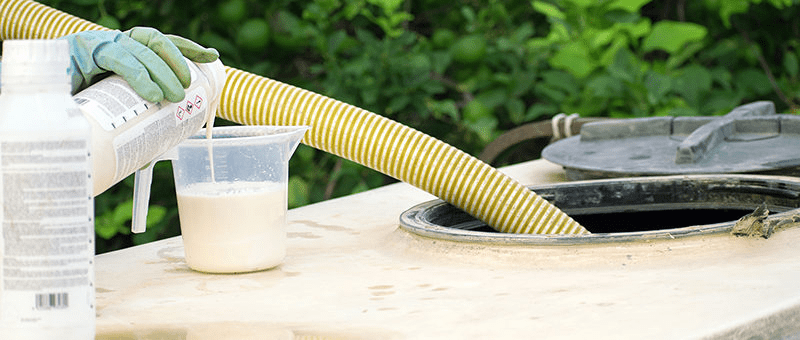
- Add Water First: Never add biologicals to an empty tank. Always add water to neutralize pH and temperature.
- Agitate: Start agitating the water before adding inputs, and add chemistries before bios.
- Mix Thoroughly: Allow time for proper mixing. Smaller tanks need about three minutes, while larger tanks may require five to ten minutes.
- Final Water Addition: After mixing, add the remaining water to complete the tank’s volume.
- pH Check: Conduct a final pH test before application to ensure safety and readiness.
Considerations for Physical and Chemical Incompatibilities
It’s essential to be aware of physical and chemical incompatibilities in tank mixes:
- Suspension Issues: Products not suspending properly can lead to uneven distribution.
- Clumping: Can disrupt mixing and reduce the effectiveness of your bio-controls.
- Layering: If layering occurs, your bios may not be properly dispersed.
- Foaming: Excessive foaming, usually addressed in the formulation process, can indicate a problem with your mix.
Specific Watch-Outs in Formulation Types
- Emulsified Concentrates: Watch for phytotoxicity risks. Adding an emulsifying agent or organic solvent can help.
- Soluble Liquids and Suspended Concentrates: These water-based solutions are typically easier to mix and have a lower risk of challenges.
- Dry Flowables and Wettable Powders: These can be tricky, with wettable powders being the most challenging due to the risk of clumping.
Addressing Common Concerns
There are some common concerns related to tank mixing that need to be addressed:
- Mixing with Antimicrobials: Products like oxidate or biocides containing peracetic acid or hydrogen peroxide can wipe out your bios if mixed together. To mitigate this, alternate your sprays and wait 30 minutes to an hour before applying bios after sanitizing.
- Copper and Low pH: Copper, being a bacteriocide, can reduce your bio-controls’ efficacy if mixed at a low pH. Avoid mixing these to prevent reduced CFU counts and phytotoxicity.
- Calcium Chloride: This can cause an exothermic reaction, raising the tank’s temperature and potentially harming non-spore-forming bios. Keep an eye on calcium chloride concentrations and consider rotational spraying.
- High pH with Viruses and BTs: A pH above 9 can destabilize proteins in your bios, deactivating their modes of action. To mitigate this, avoid letting the bios sit in the tank too long at high pH levels.
SWOT Analysis Review
Let’s quickly review the strengths, weaknesses, opportunities, and threats (SWOT) of tank mixing biologicals:
Strengths:
- Less exposure and handling
- Lower costs
- Reduced water usage and increased field efficiency
Weaknesses:
- Few publications, though improving
- Changing regulatory landscape
- Fear of incorrect mixing
Opportunities:
- Improved formulation technologies designed for tank mixing
- Better mixing tools
- Real-time guidance from manufacturers
Threats:
- Compatibility issues
- Environmental impact
- Shifts in raw materials and evolving regulations
Final Recommendations
- Check Pesticide Labels: Always refer to the label for tank mix recommendations and potential inhibitory effects.
- Perform a Jar Test: When trying a new mix, perform a jar test to ensure compatibility.
- Mix According to Labels: Add chemistries first, followed by bios.
- Double Check Equipment Filters: Ensure that your equipment is clean and ready to avoid any issues during application.
- Consult with Experts: If you have questions, reach out to the product manufacturer or another specialist for guidance.
Conclusion
One last tip—avoid mixing antimicrobials with microbial products in your tank. This is a common mistake that can compromise your entire application.
Thank you for your time and attention today. I’ve kept it brief so you can enjoy the rest of your day. I appreciate the opportunity to speak with you and thank you for sticking with me until the end.
Discover more from Texas A&M AgriLife Organic
Subscribe to get the latest posts sent to your email.

 Texas A&M AgriLife Organic