The question at hand is no longer as simple as it used to be! However, obtaining certification for anything organic has become almost a necessity. It might seem somewhat difficult, but the recently implemented Strengthening Organic Enforcement regulations are mandating many non-certified entities to acquire organic certification. This process is deemed necessary to ensure the integrity and transparency of organic products – something the consumer has been demanding for a long time. When does this go into effect? March 19,2024 and as it gets closer folks are getting nervous.

Why am I bringing this up? I have had many questions over the last few weeks from folks who want to know if they need to be certified. Or I have had questions from certified operations who want to know if someone they deal with needs to be certified. These new rules affect everybody in organic including producers, processors and handlers; all organic certifiers and inspectors; and many who are in the organic supply chain who have not been certified in the past. That said there are exemptions to certification, and I want to cover those here. This is straight from the regulations.
7 CFR 205.101(e): An operation that only receives, stores, and/or prepares for shipment, but does not otherwise handle, organic agricultural products that: (1) Are enclosed in sealed, tamper-evident packages or containers prior to being received or acquired by the operation; and (2) Remain in the same sealed, tamper-evident packages or containers and are not otherwise handled while in the control of the operation.
7 CFR 205.101(f): An operation that only buys, sells, receives, stores, and/or prepares for shipment, but does not otherwise handle, organic agricultural products already labeled for retail sale that: (1) Are enclosed in sealed, tamper-evident packages or containers that are labeled for retail sale prior to being received or acquired by the operation; and (2) Remain in the same sealed, tamper-evident packages or containers that are labeled for retail sale and are not otherwise handled while in the control of the operation.
7 CFR 205.101(h): An operation that only arranges for the shipping, storing, transport, or movement of organic agricultural products but does not otherwise handle organic products.

If you think you are exempt from certification, then maybe you should check out this resource from CCOF (California Certified Organic Farmers) called an Exempt Handler Affidavit. This simple form asks a series of questions that helps you know if you are exempt and answering these questions lets the organic business you are dealing with know you are exempt. Then you sign the form and hand it to the business so they can file it in the OSP (Organic System Plan).
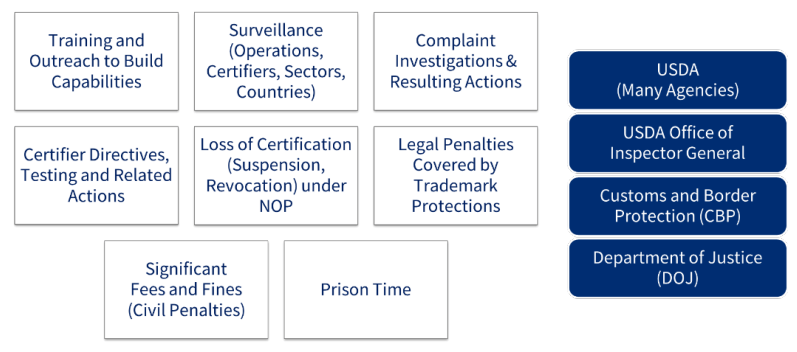
How serious is this? Well this is from the federal record!
7 CFR 3.91(b)(1)(xxxvi): Civil penalty for knowingly labeling or selling a product as organic except in accordance with the Organic Foods Production Act of 1990, has a maximum of $21,689 per occurrence. You call it organic and get paid for it, you better be CERTIFIED ORGANIC.
Discover more from Texas A&M AgriLife Organic
Subscribe to get the latest posts sent to your email.

 Texas A&M AgriLife Organic
One thought on “Who Needs to be Certified Organic?”